
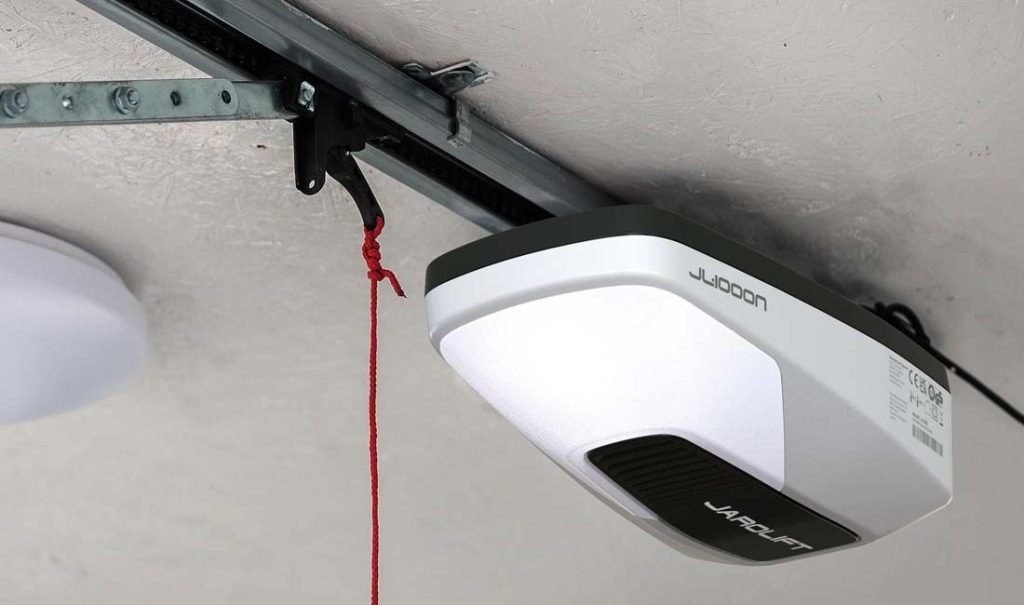
In the world of product development, enclosure design for electronics is where creativity meets precision. It’s the point where a product’s visual appeal must align seamlessly with its technical performance. At Whistle Design Group, a Melbourne-based industrial design consultancy, we understand that a well-designed enclosure is more than just a shell — it’s a critical component that protects, enhances, and defines the user experience.
In this post, we explore how to strike the right balance between aesthetics and engineering in enclosure design, and why this balance is essential for creating successful electronic products.
The Importance of Enclosure Design in Product Development
The enclosure of an electronic product serves multiple purposes. It protects internal components, supports usability, communicates brand identity, and ensures compliance with safety and manufacturing standards. Whether it’s a medical device, consumer gadget, or industrial controller, the enclosure is the first thing users see and touch — and often the first thing they judge.
A poorly designed enclosure can lead to overheating, user frustration, or even product failure. On the other hand, a thoughtfully designed enclosure can elevate the product’s perceived value, improve functionality, and enhance user satisfaction.
Aesthetic Considerations in Enclosure Design for Electronics
Aesthetics in enclosure design for electronics is about more than just good looks. It’s about creating a visual language that resonates with users and aligns with the brand. This includes:
- Form and silhouette: The overall shape of the product should feel intentional and ergonomic.
- Material selection: The choice of plastic, metal, or composite materials affects both the look and feel.
- Surface finishes: Textures, coatings, and colours contribute to the product’s tactile and visual appeal.
- User interface integration: Buttons, screens, and ports must be placed intuitively and harmoniously.
At Whistle Design Group, we approach aesthetics with a user-centred mindset. We ask: How will the product be used? Where will it live? What emotions should it evoke? These questions guide our design decisions to ensure the product not only looks great but also feels right in the user’s hands.
Engineering Challenges in Electronic Product Housing
While aesthetics draw users in, engineering ensures the product performs reliably. The engineering side of enclosure design for electronics involves:
- Thermal management: Ensuring proper airflow or heat dissipation to prevent overheating.
- Structural integrity: Designing for impact resistance, durability, and compliance with IP ratings.
- Manufacturability: Creating designs that are cost-effective and feasible to produce at scale.
- Assembly and maintenance: Considering how the enclosure will be assembled, disassembled, or serviced.
- EMC shielding: Preventing electromagnetic interference between components.
Our team works closely with engineers and manufacturers to ensure that every design is grounded in technical feasibility. We use tools like 3D CAD modelling, finite element analysis (FEA), and rapid prototyping to validate our designs before they reach production.
Collaborative Design Strategies for Better Enclosures
The key to balancing aesthetics and engineering lies in collaboration. At Whistle Design Group, our industrial designers, engineers, and prototyping specialists work side by side from the earliest stages of development. This integrated approach allows us to:
- Identify potential conflicts early (e.g., a sleek design that’s hard to manufacture)
- Iterate quickly using physical and digital prototypes
- Align design intent with technical constraints
- Deliver solutions that are both beautiful and buildable
By involving all stakeholders — including clients, users, and suppliers — we ensure that the final product meets expectations across the board.
Tips for Successful Enclosure Design
If you’re developing an electronic product, here are a few tips to keep in mind:
- Start with the user: Understand how the product will be used and by whom.
- Involve design early: Don’t treat enclosure design as an afterthought — it should evolve alongside the electronics.
- Prototype often: Use rapid prototyping to test form, fit, and function early and often.
- Think beyond the surface: Consider internal layout, airflow, and assembly from the start.
- Collaborate across disciplines: Bring designers, engineers, and manufacturers together early in the process.
Final Thoughts
Enclosure design for electronics is a delicate dance between creativity and constraint. At Whistle Design Group, we believe that the best products are born when aesthetics and engineering work in harmony. By combining thoughtful design with technical expertise, we help our clients bring electronic products to life that are not only functional and reliable — but also beautiful and meaningful.
If you’re ready to elevate your next electronic product with expert enclosure design, get in touch with us today. Let’s create something extraordinary together.