
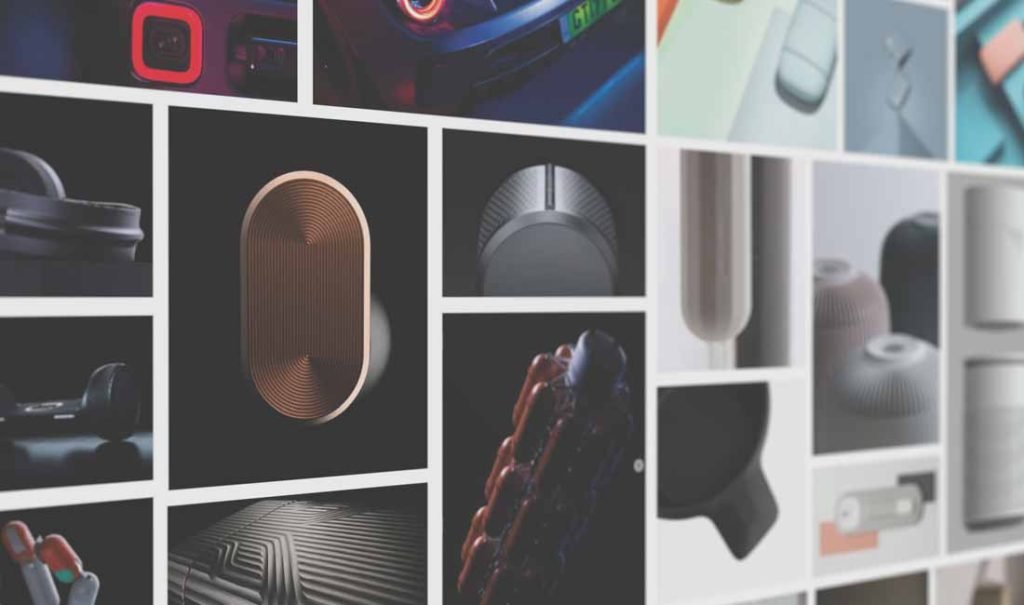
In today’s fast-paced world, staying ahead of the curve is essential for any industrial design company. As new technologies emerge and sustainability becomes a top priority, design firms must continuously adapt and innovate. Let’s explore the latest trends in industrial design and how Whistle Design Group and other leading companies are shaping the future of product development.
Industrial Design: Shaping the Future of Products
Industrial design is more than aesthetics—it’s about creating meaningful, functional, and forward-thinking products. A modern industrial design company must consider the entire product lifecycle, from concept to production, integrating cutting-edge technologies and sustainable practices from the outset. This holistic approach ensures that products are not only innovative but also efficient and environmentally responsible.
Top 5 Industrial Design Trends for 2025 and Beyond
1. Artificial Intelligence (AI) in Design
AI is transforming how industrial design companies approach problem-solving. From generative design to predictive analytics, AI enables designers to analyse data, identify patterns, and create smarter, more efficient products. This leads to faster development cycles and more user-centric solutions.
2. Sustainable Product Design
Sustainability is now a core focus for every forward-thinking industrial design company. At Whistle Design Group we aim to lead the way by using eco-friendly materials, minimising waste, and designing for recyclability. This trend is driving innovation in materials science and manufacturing processes.
3. Advanced Manufacturing Techniques
Technologies such as 3D printing, CNC machining, and generative design are revolutionizing product development. These advanced methods allow industrial design companies to rapidly prototype, customize, and produce complex geometries with minimal waste—enhancing both efficiency and sustainability.
4. Human-Centered and Inclusive Design
Inclusive design ensures that products are accessible and usable by people of all abilities. Any top-tier industrial design company will prioritise empathy, user feedback, and universal usability to create solutions that serve diverse populations, including the elderly and those with disabilities.
5. Emotionally Intelligent Products
Emotionally intelligent products adapt to users’ moods and behaviours using AI, sensors, and intuitive interfaces. These innovations enhance user experience by creating deeper emotional connections—an area where leading industrial design companies are investing heavily.
Real-World Examples of Innovation
CSIRO’s Data61 is a leading research organization that develops AI technologies for various industries. Their work includes projects on sustainable agriculture, water management, and environmental monitoring, helping to address some of Australia’s biggest sustainability challenges.
2. Blue River Technology (a subsidiary of John Deere)
Blue River Technology uses AI-driven machinery to enhance crop management. Their See & Spray machine applies herbicide only to weeds, maximizing crop potential and reducing chemical usage. This innovative approach has earned them recognition for sustainability.
3. GE LEAP Jet Engine Fuel Nozzles
GE uses metal 3D printing to produce complex fuel nozzles for jet engines. These parts are lighter, stronger, and more efficient than traditionally manufactured components, reducing fuel consumption and emissions.
A smartwatch designed for visually impaired users, it uses a braille interface to display messages, time, and notifications. It combines inclusive technology with sleek design, enabling independence and connectivity.
These lights can change colour and intensity based on time of day, user mood, or even music. Integrated with apps and voice assistants, they create atmospheres that support relaxation, focus, or energy—enhancing emotional states through ambient design.
Whistle Design Group: A Leading Industrial Design Company in Australia
To remain competitive, an industrial design company must be proactive and forward-thinking. Whistle Design Group exemplifies this through:
1. Continuous Learning and Development
Investing in ongoing education ensures that their team stays ahead of industry trends and technologies.
2. Collaborative Innovation
By working closely with clients and stakeholders, Whistle Design Group develops tailored solutions that meet real-world needs.
3. Sustainability as a Core Value
Sustainability is embedded in every project, driving innovation and responsible design practices.
4. Human-Centered Design Approach
Whistle Design Group’s approach to human-centred design focuses on deeply understanding user needs and contexts to create innovative products that are both functional and meaningful.
Conclusion
The industrial design landscape is evolving rapidly. For any industrial design company, embracing emerging trends like AI, sustainability, and inclusive design is essential to remain relevant and impactful. Companies like Whistle Design Group are leading this transformation—creating products that are not only innovative but also meaningful and sustainable.